Before the Spice Jar: Nutmeg, Clove, and the Indonesian Archipelago
A concise history of nutmeg and clove routes from eastern Indonesia, followed by practical questions for buying spices today.
Article body
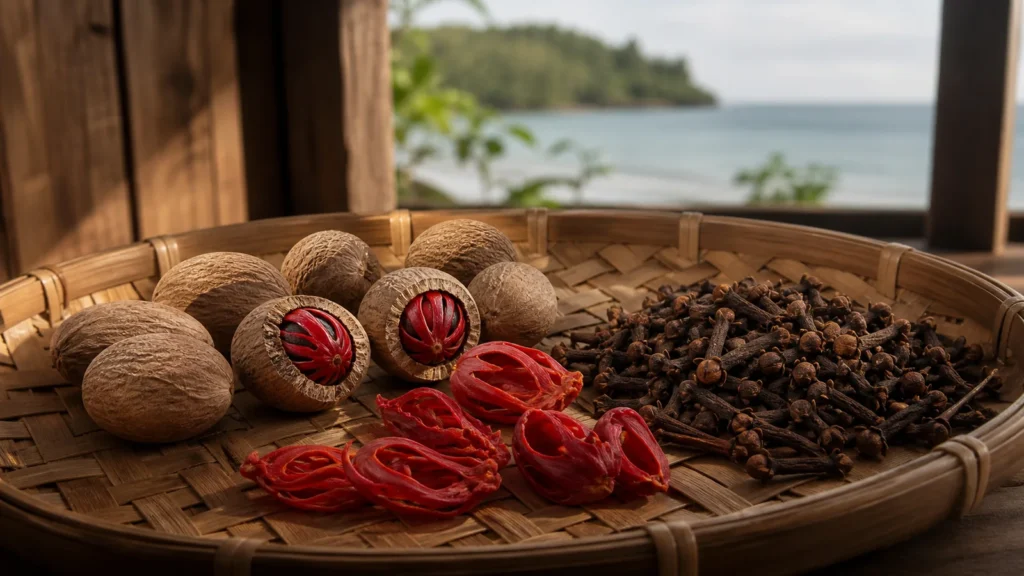
Nutmeg and clove can fit in the palm of a hand, yet their histories cross islands, ports, farming knowledge, and global trade. To understand Indonesian spices, it helps to begin in the producing places rather than with the European merchants who later entered the route.
Trade existed before European control
In 2025, Indonesia added “The Land Below the Wind: Spice Trade Route on XIII–XVIII AD” to UNESCO’s World Heritage Tentative List. The supporting description states that trade routes in the archipelago existed before Europeans arrived and connects nutmeg and clove production in eastern Indonesia with a wider chain of ports and trading posts.
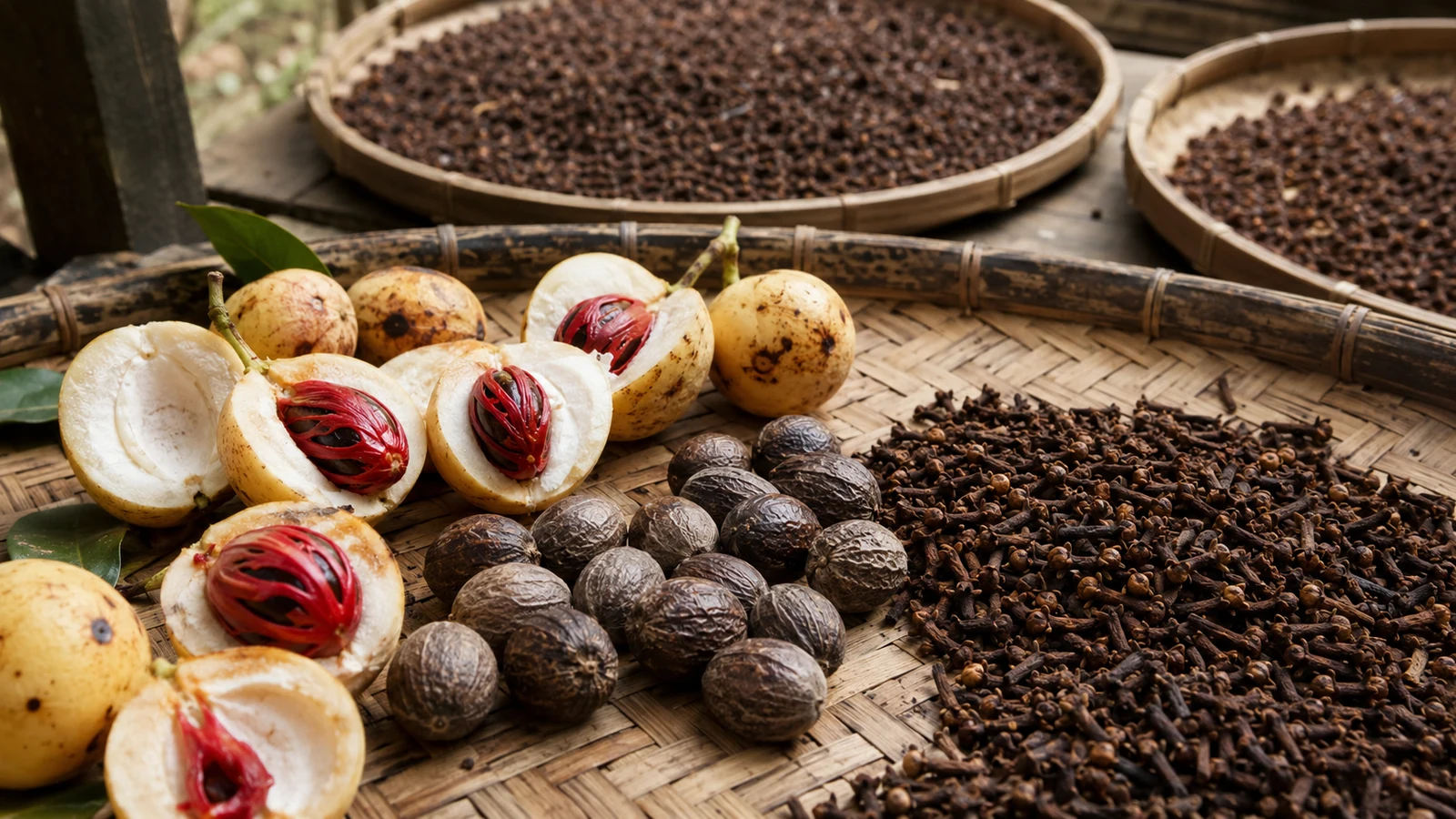
The nominated serial property links Banda, Ternate, Makassar, and the old city of Batavia. These places represent different parts of the story: growing and processing spices, moving them between islands, and controlling their distribution. The tentative-list status is recognition of a proposed heritage narrative; it is not the same as inscription on the World Heritage List.
Read a spice listing in the present tense
History can make a product interesting, but a buyer still needs current facts. A clove or nutmeg listing should say where the product was grown or packed when that information is known. It should also identify the form—whole, ground, dried, roasted, or otherwise processed—because form changes aroma, handling, and shipping.
- Origin: province, island, cooperative, or farm information when verified.
- Processing: harvest state, drying method, grinding, and added ingredients.
- Pack information: net weight, packaging date, best-before date, and storage guidance.
- Export readiness: destination restrictions, food documentation, and sealed packaging.
- Claims: no medical, organic, fair-trade, or sustainability claim without supporting evidence.
The best story does not replace the specification. It gives a buyer a reason to care, while the product data gives them enough confidence to order.
Sources and Editorial Context
These references are provided so readers can review the source context behind the story. Indovia summaries and commentary should remain original editorial work, not copied or republished from external articles.
UNESCO World Heritage Centre
The UNESCO Tentative List entry supports the pre-European archipelago trade, nutmeg and clove production context, and the serial locations. The article clearly states that tentative listing is not World Heritage inscription.