Indonesian Coffee Origins: A Buyer’s Guide to Species, Process, and Traceability
Origin names can guide discovery, but species, processing, grade, harvest information, and traceability determine what a coffee listing truly communicates.
Article body
Indonesia is associated with many recognised coffee origins, but an origin name alone cannot tell a buyer how a coffee will taste or whether a shipment matches its description. Species, variety, growing conditions, processing, sorting, roast level, and storage all influence the final cup. A useful listing connects those details instead of relying on geography as a guarantee of quality.
Start with species and product form
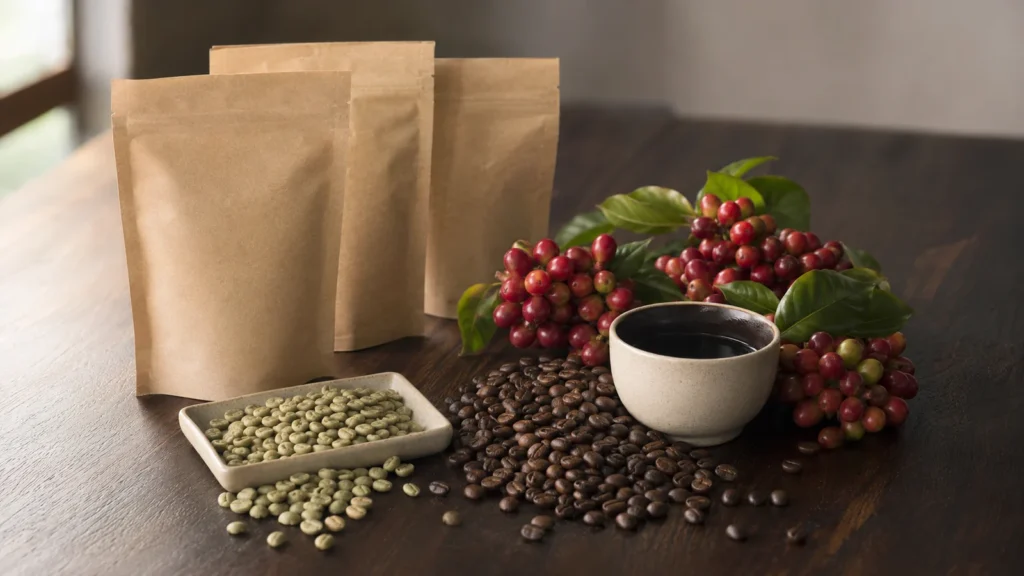
Indonesia produces both arabica and robusta coffee. The distinction matters, but neither name is a complete quality grade. Buyers should confirm whether they are purchasing green beans, roasted whole beans, ground coffee, soluble coffee, or another prepared product. Each form needs different specifications, packaging, shelf-life information, and shipping conditions.
For green coffee, the seller should identify species and, when known, variety or local type. For roasted coffee, the roast date, roast profile, valve packaging, and recommended brewing range become important. Ground coffee also needs a clear grind size and intended brewing method.
Processing changes the result
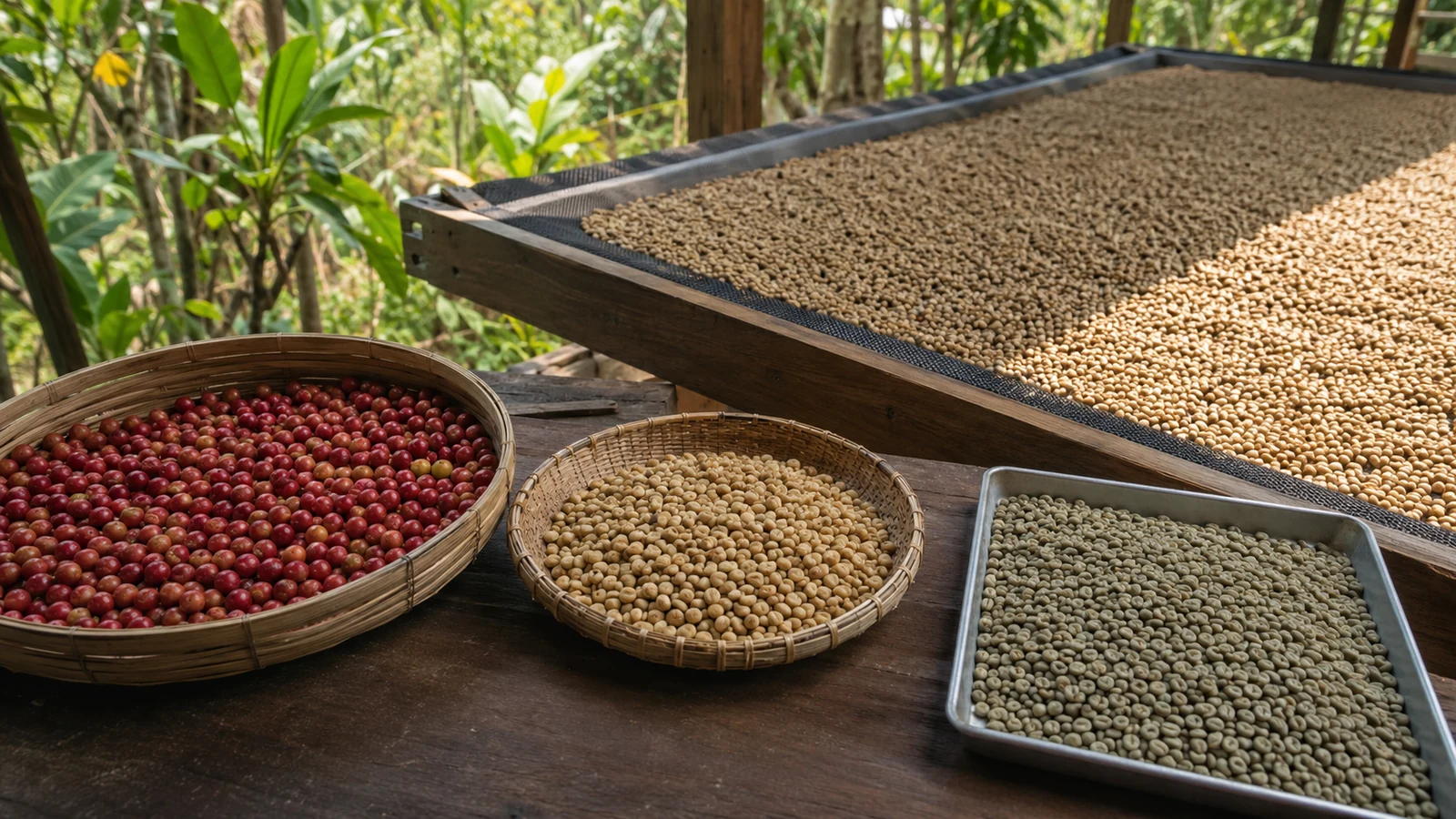
After harvest, coffee fruit must be processed and dried. Terms such as washed, natural, honey, or wet-hulled describe different workflows, but the label should match the actual method used by the producer or mill. Processing can influence acidity, body, sweetness, and consistency, yet tasting notes should remain observations rather than promises that every buyer will perceive the same flavours.
Origin needs a traceable level
“Product of Indonesia” is not the same as naming an island, province, district, cooperative, estate, or producer group. Each level adds specificity. A seller should state only the level supported by records. If beans from several origins are blended, the listing should say so.
Buyer checklist for coffee listings
- Identity: species, variety when known, product form, and blend status.
- Origin: documented country, region, producer group, estate, or lot.
- Process: harvest method, post-harvest process, drying, and sorting.
- Quality: grade system, defect method, moisture result, screen size, or cupping protocol where applicable.
- Freshness: crop or harvest information for green coffee; roast date for roasted coffee.
- Packaging: barrier material, valve where needed, unit size, carton configuration, and storage guidance.
- Claims: certification, organic status, geographical indication, or sustainability programme only with current documentation.
Discovery should lead to verification
Origin can make Indonesian coffee compelling, but good sourcing moves from story to specification. Buyers can explore the Food & Beverage category, review the broader marketplace, and use Indovia’s sourcing guidance. The strongest coffee page gives a buyer enough detail to compare lots, ask focused questions, and understand which claims are documented.
Sources and Editorial Context
These references are provided so readers can review the source context behind the story. Indovia summaries and commentary should remain original editorial work, not copied or republished from external articles.
Indonesian Ministry of Agriculture Repository
Indonesian agricultural research supports the importance of cultivar, processing method, physical quality, and sensory evaluation. The article avoids current production figures and unsupported flavour guarantees.