Indonesian Cinnamon: What Buyers Should Verify Beyond the Origin Name
Cinnamon quality depends on botanical identity, cut, cleanliness, moisture, packaging, and documentation—not origin language alone.
Article body
Indonesian cinnamon is widely recognised in international spice trade, often through references to cassia or the island of Sumatra. Those labels can help a buyer begin a search, but they do not replace a product specification. Botanical identity, bark form, cleanliness, moisture, packaging, and residue compliance determine whether an offer fits its intended market.
Cinnamon is not one interchangeable product
Commercial cinnamon comes from several Cinnamomum species. Indonesian supply is commonly associated with cassia-type cinnamon, but sellers should identify the botanical name when documented rather than asking buyers to infer it from colour or origin. Species matters because flavour profile, bark structure, composition, and buyer requirements can differ.
Cut and grade need measurable language
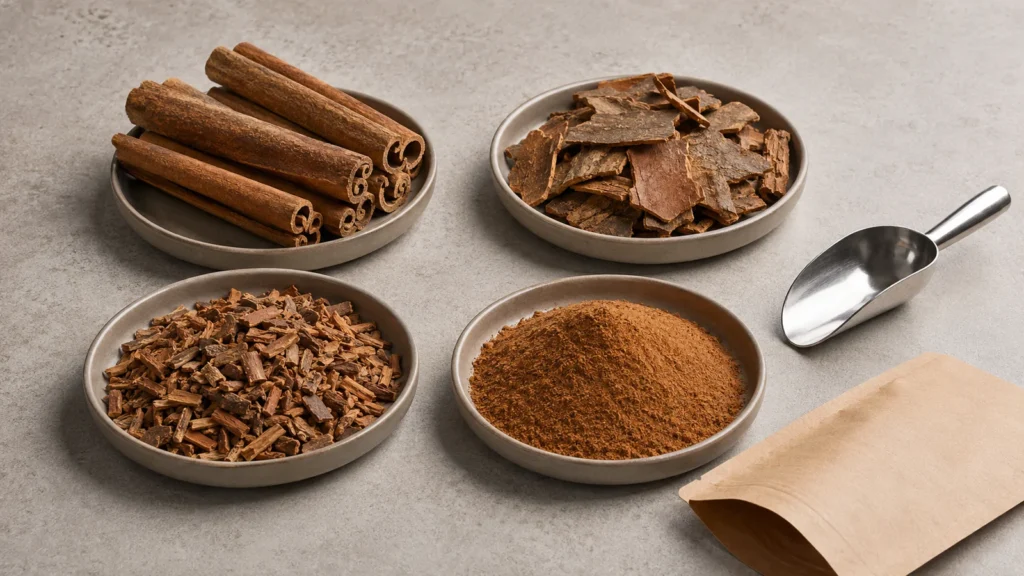
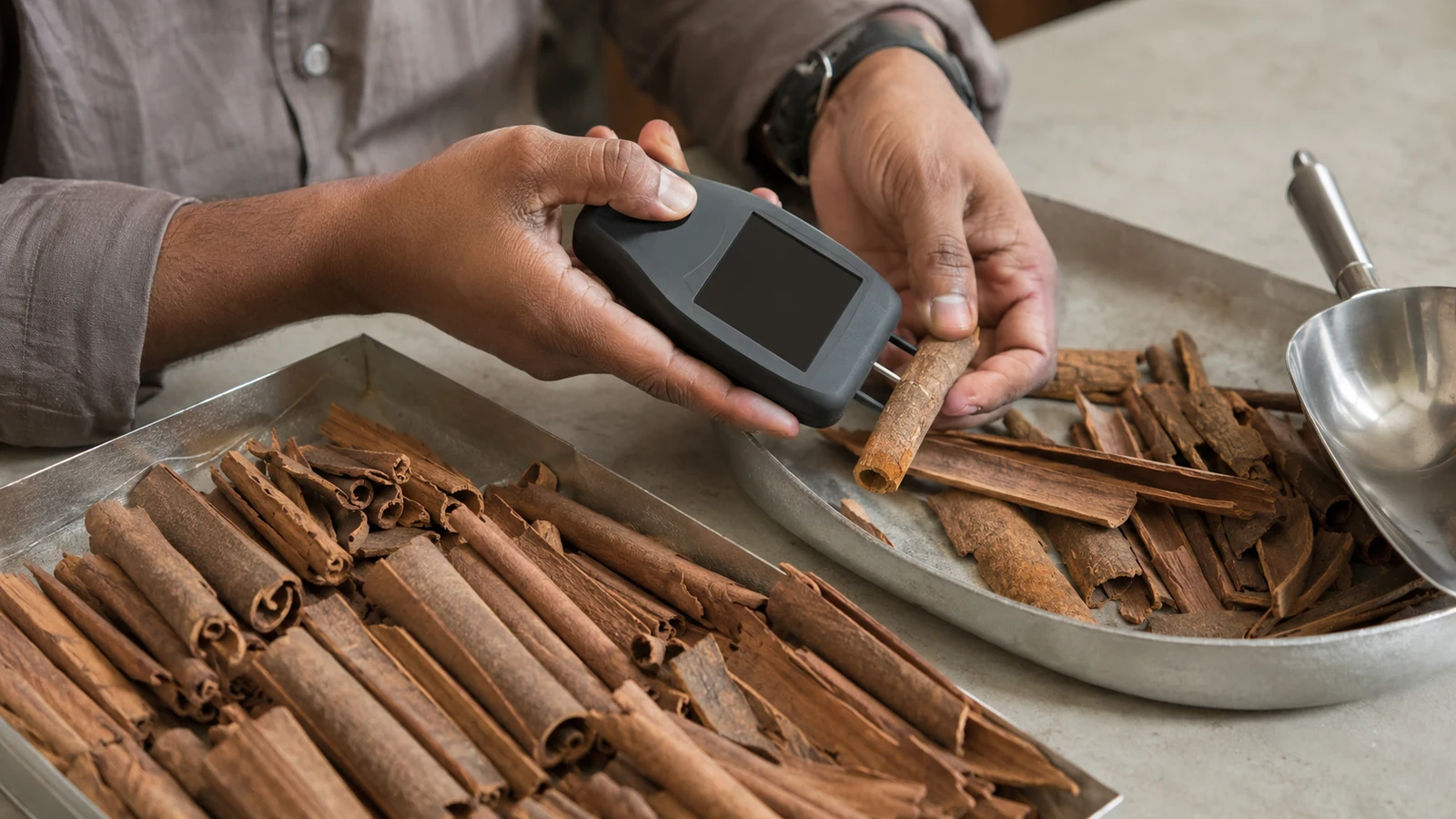
Cinnamon may be offered as whole quills, broken bark, chips, powder, or an industrial ingredient. A grade name has little value unless both sides understand the criteria behind it. A useful specification can include piece size, colour range, foreign-matter tolerance, moisture target, mesh size for powder, and sampling method.
Photography should show the actual commercial form and scale. A styled image of perfect quills should not represent a shipment of broken bark or powder.
Food safety and market access come first
CBI market guidance for cinnamon highlights the importance of buyer requirements, food-safety systems, contamination control, and clear documentation when entering European markets. Requirements differ by destination and use. Buyers and sellers should agree which microbiological, pesticide-residue, contaminant, allergen, and traceability documents apply before confirming an order.
Buyer checklist for an Indonesian cinnamon offer
- Identity: botanical name, country of origin, and documented production area where claimed.
- Form: quills, broken bark, chips, powder, extract, or another processed form.
- Specification: size, mesh, moisture, cleanliness, foreign matter, and sensory description.
- Testing: agreed laboratory parameters, export method, curated lot, and certificate date.
- Packaging: food-contact suitability, inner liner, net weight, carton or sack configuration, and moisture protection.
- Traceability: lot code, processor, packing date, and origin records proportional to the claim.
- Certification: organic, sustainability, food-safety, or geographical claims only when current documents are available.
Use origin as context, not proof
A regional story can explain landscape, trade, or producer experience, but a buyer still needs evidence for the product in front of them. Browse relevant offers through Food & Beverage, compare products in the Indovia marketplace, and use the Trust Center when reviewing seller claims. Clear specifications make origin more meaningful because the story and the shipment describe the same product.
Sources and Editorial Context
These references are provided so readers can review the source context behind the story. Indovia summaries and commentary should remain original editorial work, not copied or republished from external articles.
Centre for the Promotion of Imports from developing countries (CBI)
CBI supports market context, buyer requirements, food safety, contamination control, documentation, and market-entry considerations. The article avoids unsupported claims about a specific shipment, farm, species, certification, or geographical indication.